
Disaster Management
1. School Safety
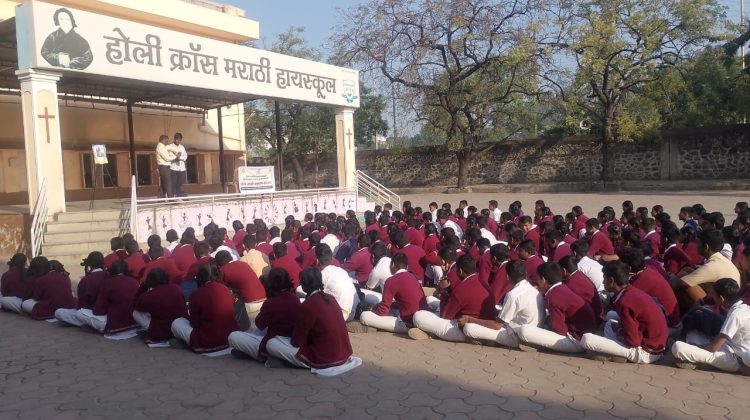
The School Safety program aims to create a safe and disaster-prepared learning environment for children and educators. Training sessions were conducted for students, teachers, and non-teaching staff to build awareness about potential risks within school premises. Participants were trained on fire safety, earthquake preparedness, and emergency evacuation procedures. Mock drills were conducted to help schools practice safe and orderly evacuation. Emphasis was placed on identifying hazards in classrooms, corridors, and playgrounds. Teachers were trained to take leadership roles during emergencies. Students were educated on safe behaviour during disasters to reduce panic. The program also promoted the formation of school disaster management committees. Regular safety audits were encouraged as part of long-term preparedness.
Total beneficiaries trained: 208,942
2. Hospital Safety
The Hospital Safety training focused on strengthening emergency preparedness in healthcare facilities. Medical and non-medical staff were trained to respond effectively during fires, earthquakes, and mass casualty incidents. Special attention was given to safe evacuation of patients, including those in critical care units. Participants learned coordination mechanisms between departments during emergencies. Fire safety systems and emergency exits were explained in detail. Staff were trained in disaster triage and crowd management. The program emphasized continuity of essential medical services during disasters. Mock drills were conducted to test response readiness. Risk assessment within hospital premises was also covered.
Total beneficiaries trained: 21,268
3. Road Safety
The Road Safety program was designed to reduce accidents and promote responsible road behaviour. Trainings focused on drivers, pedestrians, students, and community members. Participants were educated on traffic rules and road signs. Awareness was created about the importance of helmets, seat belts, and speed limits. The program addressed causes of road accidents and ways to prevent them. Special sessions were conducted on pedestrian and cyclist safety. Participants were trained on how to respond during road accidents. Basic first aid and emergency reporting were explained. The importance of avoiding drunk and distracted driving was emphasised. Community participation was encouraged to build a culture of road safety.
Total beneficiaries trained: 76,125
4. Industrial Safety
The Industrial Safety training aimed to reduce workplace hazards and improve emergency response in industrial settings. Workers and supervisors were trained to identify potential risks in factories and industrial units. Sessions covered fire safety, electrical hazards, and handling of machinery. Participants learned the correct use of personal protective equipment (PPE). Emergency evacuation procedures and assembly points were explained. The training emphasised prevention of industrial accidents through safe practices. Mock drills were conducted to prepare workers for emergency situations. Participants were trained to respond quickly to fires, chemical spills, and injuries. Safety signage and compliance were highlighted. The program promoted a culture of safety and responsibility at the workplace.
Total beneficiaries trained: 94,107
5. First Aid and CPR
The First Aid and CPR program focused on building life-saving skills at the community level. Participants were trained to provide immediate care during medical emergencies. Practical demonstrations of CPR techniques were conducted. Training included management of bleeding, burns, fractures, and unconscious patients. Participants learned how to assess an emergency situation safely. Emphasis was placed on timely response before professional help arrives. The program increased confidence among participants to act during emergencies. Hands-on practice helped reinforce learning outcomes. Awareness was created about emergency helpline numbers. The training empowered communities to save lives.
Total beneficiaries trained: 135,103
6. Search and Rescue
The Search and Rescue training aimed to build community-level disaster response capacity. Participants were trained in basic rescue techniques during floods, earthquakes, and structural collapses. The program covered safe search methods to locate victims. Training emphasised personal safety during rescue operations. Participants learned techniques for lifting, carrying, and evacuating injured persons. Use of basic rescue tools was demonstrated. Coordination and teamwork during rescue operations were highlighted. The program also covered first response care for rescued victims. Mock exercises were conducted to simulate real disaster scenarios. The training strengthened community resilience and preparedness.
Total beneficiaries trained: 89,245
7. Disaster Relief
The Disaster Relief initiative focuses on providing immediate humanitarian assistance to communities affected by natural and man-made disasters. Relief operations were carried out to support families impacted by floods, cyclones, fires, and other emergencies. The program ensured timely distribution of essential relief materials such as food, water, clothing, and hygiene kits. Special attention was given to vulnerable groups, including children, women, the elderly, and persons with disabilities. Volunteers were trained to conduct needs assessments in affected areas. Coordination with local authorities ensured efficient and transparent relief delivery. Temporary shelters and basic support services were facilitated where required. The initiative emphasised dignity, safety, and rapid response. Community participation was encouraged during relief operations. The program helped stabilise affected families during crisis situations.
Total beneficiaries supported: 28,580
8. Fire and Safety
The Fire and Safety program aimed to enhance awareness and preparedness to prevent and respond to fire-related emergencies. Training sessions were conducted in schools, hospitals, industries, and community spaces. Participants were educated on the causes of fires and preventive measures. Practical demonstrations on the use of fire extinguishers were conducted. Emergency evacuation procedures and safe exit planning were explained. The program emphasised early detection and immediate response to fire incidents. Participants were trained in basic firefighting techniques. Mock drills were organised to build confidence and readiness. Fire safety audits and compliance awareness were promoted. The program contributed to reducing fire risks and improving safety culture.
Total beneficiaries trained: 55,188
9. Chemical Disasters
The Chemical Disasters program focused on preparedness and response to chemical emergencies and industrial hazards. Trainings were conducted for industrial workers, first responders, and community members in high-risk areas. Participants were educated about types of chemical hazards and their potential impacts. The program covered safe handling, storage, and transportation of chemicals. Emergency response procedures for chemical leaks and spills were explained. Use of personal protective equipment (PPE) was demonstrated. Participants were trained on evacuation and decontamination procedures. Coordination with emergency services was emphasized. Mock drills were conducted to simulate chemical disaster scenarios. The program strengthened safety awareness and reduced chemical-related risks.
Total beneficiaries trained: 68,134
