
Financial Literacy
Financial Literacy
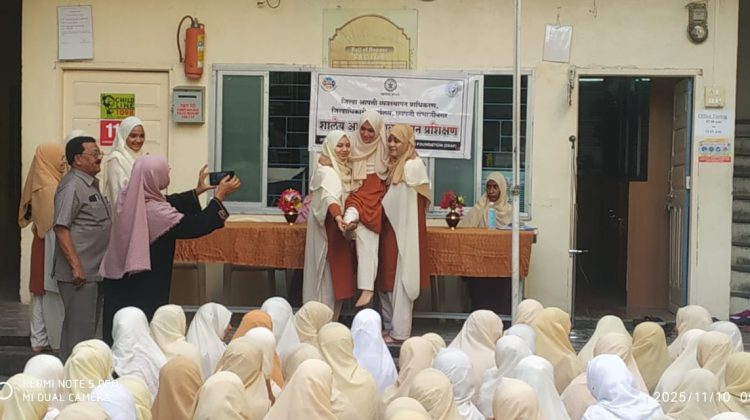
The Financial Literacy program aims to empower individuals and families with essential knowledge to manage their finances responsibly. Trainings focused on basic concepts such as saving, budgeting, and expense planning. Participants were educated on the importance of bank accounts and formal financial systems. Awareness was created about government welfare schemes and financial inclusion initiatives. Sessions covered responsible use of loans and avoidance of over-indebtedness. Digital financial literacy, including safe use of UPI and online banking, was emphasized. The program also addressed fraud prevention and cyber safety. Special focus was given to women, youth, and low-income communities. Practical examples were used to improve understanding and application. The initiative helped participants make informed financial decisions and improve long-term financial stability.
Total beneficiaries trained: 72,832
Project Name: Food Distribution
Daily Food Distribution for Needy Poor
The Daily Food Distribution program addresses hunger and food insecurity among vulnerable communities. Nutritious, freshly prepared meals were distributed daily to needy individuals and families. The program primarily supported daily wage workers, homeless individuals, elderly persons, and marginalized communities. Emphasis was placed on providing hygienic and balanced food. Distribution was carried out with dignity and respect for beneficiaries. Volunteers ensured orderly and safe food distribution practices. The initiative helped reduce daily hunger and malnutrition. Special support was provided during emergencies and extreme weather conditions. Community participation strengthened the reach of the program. The program contributed to improving health and well-being among the poorest sections of society.
Total beneficiaries served: 12,336
Top of Form
Bottom of Form
Project Name: Health & Nutrition Support
1. Free Medical Check-up Camps
Free Medical Check-up Camps were organised to provide accessible healthcare services to underserved communities. A total of 750 camps were conducted across various regions. These camps benefited more than 52,500 individuals, including women, children, elderly persons, and daily wage workers. General health screenings such as blood pressure, blood sugar, and basic medical consultations, were provided. Early detection of common illnesses helps reduce health risks. Free medicines were distributed where required. Health awareness and preventive care guidance were shared with beneficiaries. Qualified medical professionals supported the camps. The initiative significantly improved access to primary healthcare services.
2. Eye Check-up Camps
Eye Check-up Camps were conducted to prevent avoidable blindness and promote eye health. A total of 260 eye camps were organized, benefiting 15,600 individuals. Vision screening and eye examinations were carried out by trained professionals. Early identification of vision-related issues was a major focus. Referrals for further treatment and surgeries were provided when required. Awareness on eye hygiene and care was also shared. Special focus was given to children and senior citizens. The program improved vision and daily functioning for beneficiaries.
3. Anemia-Free Village Initiative
The Anemia-Free Village initiative aimed to reduce anemia prevalence through screening, awareness, and nutrition-based interventions. A total of 05 villages were covered under this program. Hemoglobin testing was conducted, particularly for women, adolescent girls, and children. Awareness sessions focused on iron-rich diets and healthy nutrition practices. Community-level engagement ensured participation and follow-up. Coordination with local health departments strengthened implementation. Regular monitoring helped sustain results. The initiative contributed to long-term improvements in community health and nutrition.
4. Medical Equipment Support
Medical equipment support was provided to Sindhudurg District Civil Hospital to strengthen public healthcare infrastructure. Essential medical equipment was donated to enhance diagnostic and treatment facilities. This support improved patient care services and emergency response capacity. Medical staff benefited from better tools and resources. The intervention reduced dependency on external referrals. The program created long-term institutional impact, benefiting thousands of patients annually.
5. Nutrition Support Program
The Nutrition Support Program focused on improving nutritional outcomes in vulnerable populations. A total of 36 villages were covered under this initiative. The program targeted children, pregnant women, lactating mothers, and malnourished individuals. Nutritional support and dietary awareness sessions were provided. Community involvement ensured effective outreach. Collaboration with health workers supported continuity. Regular monitoring helped track progress. The initiative contributed to reduced malnutrition and improved overall well-being.
